The 23 Territorial Governments of Nicaragua’s Caribbean Coast, together with representatives of Indigenous and Afro-descendant communities, expressed their support for the proposed partial reform of the Constitution during the thirteenth consultation session organized by the National Assembly.
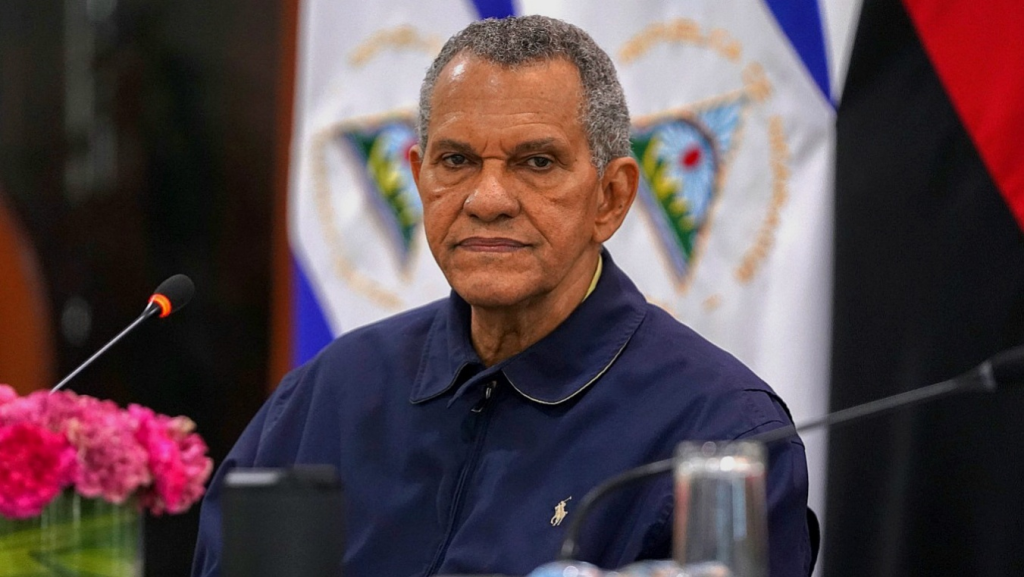
“The Yankees were hunting Black people and enslaving Black people. They could never be considered eligible to vote. And that was how the Coast was perceived, until the triumph of the Sandinista Revolution,” said Lumberto Campbell, coordinator of the Secretariat for Caribbean Coast Affairs.
“The Coast was perceived as a place for the plundering of natural resources. The population had no rights. Today, the Caribbean people, with their culture, identity, history and resources, are a functional part of this country,” he added.
During the presentation of the initiative, Nicaraguan Parliament President Gustavo Porras emphasized that the proposal strengthens respect for the autonomy, cultural identity and historical rights of the Indigenous and Afro-descendant peoples of the Caribbean Coast, in line with the development process promoted in that region.
He also highlighted that the reform underscores the principle of non-interference in the country’s internal affairs and seeks to consolidate a constitutional model based on independence, sovereignty and national self-determination.
In this regard, representatives of the Indigenous Territorial Governments expressed their support for the proposed constitutional reform, stressing that it will contribute to strengthening national sovereignty and peace.
“On behalf of the 16 Miskitu, Mayangna and Creole Indigenous Territorial Governments of the municipalities of Puerto Cabezas, Prinzapolka, Waspán, Rosita, Bonanza and Siuna, we express our firm support for the reform of the Political Constitution promoted by the Government of Reconciliation and National Unity as part of strengthening our country, national sovereignty and peace,” said a representative of the Indigenous Territorial Governments of the North Caribbean.
¿What changes does the constitutional reform propose?
Porras said the amendments strengthen the country’s independence, sovereignty, national self-determination and institutions.
The proposal maintains the holding of periodic elections in Nicaragua and extends the terms of popularly elected offices to seven years, preserving citizens’ right to elect their authorities through voting.
In addition, it incorporates new provisions to strengthen the electoral system, harmonize the terms of the main State institutions and consolidate a legal framework aimed at guaranteeing institutional stability and administrative continuity.
The consultation with the 23 Territorial Governments of the Caribbean Coast and representatives of Indigenous and Afro-descendant peoples corresponded to the thirteenth session of the dialogue process promoted by the National Assembly’s Special Constitutional Commission to present the proposed partial reform of the Political Constitution and the resulting amendments to the Electoral Law.
Around 400 representatives participated in the session, both in person and virtually, connecting from the different territories of the Caribbean Coast.