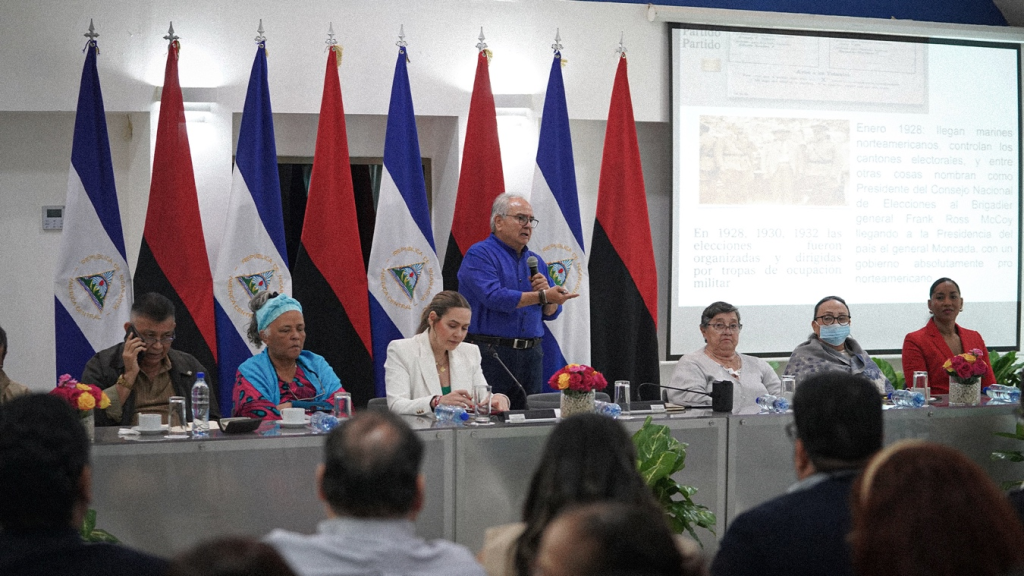
Nicaragua’s tourism sector voiced its support for the proposed constitutional reform during consultations held by the National Assembly, arguing that its focus on peace, stability, and security will help sustain tourism growth and improve the quality of life of Nicaraguan families.
«We strongly support the reforms proposed in this initiative and remain committed to working diligently to preserve peace, stability, public safety, and security, so that our people and the families who depend on tourism as an opportunity can continue improving their quality of life,» said Mara Stotti, Co-Director of the Nicaraguan Tourism Institute (INTUR).
Stotti stated that tourism development requires a stable environment that makes it possible to preserve the progress achieved and generate opportunities for families linked to the sector.
“We are convinced that this initiative seeks to strengthen institutions and national sovereignty, guaranteeing peace and security, which are fundamental aspects for the development of any activity, especially tourism,” she added.
The reform is built around three pillars—stability, security, and peace—which are regarded as essential conditions for ensuring the continuity of public policies and advancing the fight against poverty, National Assembly President Gustavo Porras explained.
¿What changes does the constitutional reform propose?
The proposal maintains the periodic holding of national, municipal and regional elections, while incorporating new provisions on eligibility and political participation.
It also includes measures aimed at preventing foreign interference and external financing intended to undermine Nicaragua’s independence, sovereignty and self-determination, principles that form part of the rationale presented for the constitutional changes.
The consultation allowed business owners, workers and tourism entrepreneurs to learn directly about the scope of the constitutional amendments and the corresponding adjustments to the Electoral Law.
In addition to those attending in person, sector representatives joined from INTUR’s 17 delegations and sub-delegations, as part of the dialogue process being carried out by the Special Constitutional Commission with different sectors of the country.
The session with the tourism sector marked the thirteenth consultation in the process promoted by the National Assembly. On this occasion, INTUR Co-Directors Mara Stotti and Anasha Campbell participated alongside entrepreneurs and representatives of the national tourism industry.